
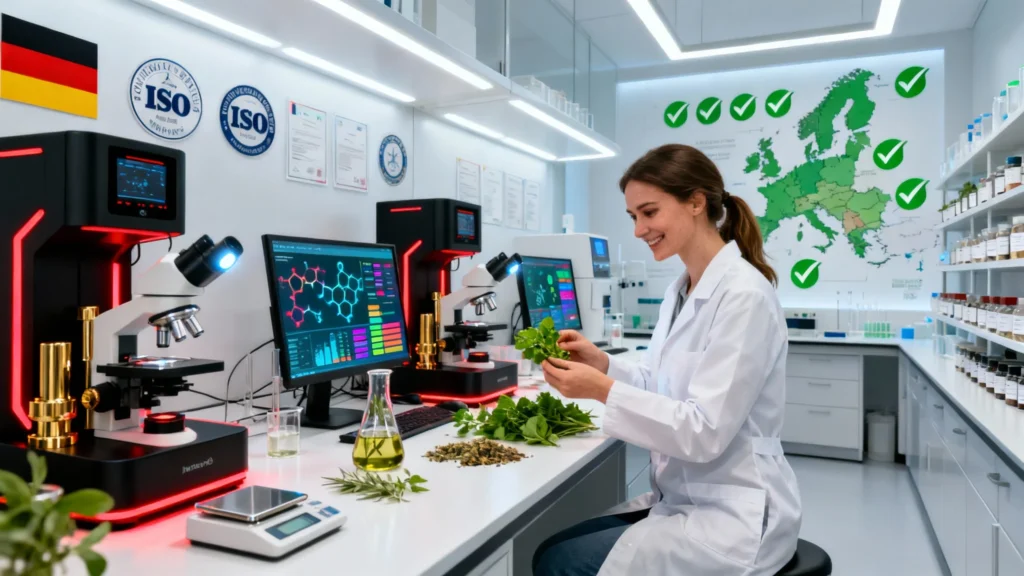
Germany’s cannabis legalization has set new benchmarks for quality across Europe. Let’s explore what patients can expect from these rigorous standards.
1. Cultivation and Growing Standards
Seed-to-Sale Tracking Systems
Germany implements comprehensive tracking from cultivation to patient delivery. Every plant gets a unique identifier for complete traceability. This system prevents diversion and ensures product authenticity throughout the supply chain.
Licensed producers must document every stage of growth meticulously. Temperature, humidity, and nutrient data are recorded continuously. Any deviation from approved protocols triggers immediate investigation and potential batch rejection.
The tracking system connects growers, processors, distributors, and pharmacies seamlessly. Patients can verify their product’s journey from seed to shelf. This transparency builds trust and ensures accountability across the entire cannabis ecosystem.
Organic Certification Requirements
German cannabis must meet strict organic farming standards where applicable. Synthetic pesticides and fertilizers face severe restrictions or outright bans. Soil testing occurs regularly to ensure contamination-free growing environments.
Integrated pest management replaces traditional chemical treatments in most facilities. Beneficial insects and natural deterrents protect crops without compromising patient safety. These methods often produce cleaner, more potent final products.
Water quality receives particular attention in organic certification processes. Sources undergo regular testing for heavy metals and chemical contaminants. Filtration systems must meet pharmaceutical-grade standards for irrigation and processing.
Climate Control and Environmental Monitoring
Indoor cultivation facilities maintain precise environmental conditions year-round. Temperature fluctuations beyond 2°C trigger automatic alerts and corrective measures. Humidity levels stay within narrow ranges to prevent mold and mildew.
Air filtration systems remove contaminants and maintain sterile growing environments. HEPA filters and UV sterilization protect crops from airborne pathogens. These systems operate continuously with backup power sources ensuring uninterrupted protection.
Light cycles follow strict schedules optimized for each cannabis strain’s needs. LED systems provide consistent spectrum and intensity throughout growth phases. Energy efficiency requirements push facilities toward sustainable cultivation practices.
2. Testing and Laboratory Analysis
Cannabinoid Profiling Standards
German labs must test for all major cannabinoids including THC, CBD, CBG, and CBN. Potency testing occurs at multiple stages from flower to finished products. Results must fall within 10% of labeled values for consumer protection.
Testing protocols follow international pharmaceutical standards for accuracy and precision. Multiple samples from each batch undergo independent analysis at certified laboratories. Any discrepancies trigger additional testing and potential batch rejection.
Cannabinoid stability testing ensures products maintain potency throughout their shelf life. Accelerated aging studies predict how products will degrade over time. This data determines appropriate expiration dates and storage recommendations.
Contaminant Detection Protocols
Heavy metals testing screens for lead, mercury, cadmium, and arsenic contamination. Detection limits match those required for pharmaceutical products and baby food. Any detectable levels above safety thresholds result in immediate product recalls.
Pesticide residue analysis covers over 400 different chemical compounds potentially used in cultivation. Testing sensitivity reaches parts-per-billion levels for the most dangerous substances. Organic products face even stricter limits on allowable residues.
Microbial contamination testing identifies harmful bacteria, yeast, and mold in products. Total aerobic counts must stay below pharmaceutical standards for patient safety. Pathogen-specific tests screen for E. coli, Salmonella, and other dangerous organisms.
Third-Party Verification Systems
Independent laboratories conduct all required testing to eliminate conflicts of interest. These facilities must maintain ISO 17025 accreditation for cannabis testing. Regular proficiency testing ensures consistent results across different laboratories.
Blind sample testing occurs randomly to verify laboratory accuracy and honesty. Regulatory authorities submit known samples without identifying their true values. Labs failing these tests face suspension or license revocation.
Chain of custody protocols protect sample integrity from collection to analysis. Tamper-evident seals and documented transfers prevent sample switching or contamination. Video surveillance monitors all sample handling and storage areas.
3. Processing and Manufacturing Controls
Good Manufacturing Practices (GMP)
German cannabis processors must follow pharmaceutical-grade manufacturing standards throughout production. Clean rooms maintain positive air pressure with HEPA filtration systems. Personnel wear protective clothing and follow strict hygiene protocols.
Equipment cleaning and sanitization procedures mirror those used in drug manufacturing. Validation studies prove cleaning methods effectively remove all product residues. Cross-contamination prevention protects different strains and product types from mixing.
Batch records document every step of the manufacturing process in detail. Operators sign and date each entry with supervisory review required. These records enable complete traceability and facilitate rapid recalls when necessary.
Extraction Method Regulations
Solvent-based extraction must use pharmaceutical-grade materials only approved for human consumption. Residual solvent testing ensures final products contain no harmful chemical residues. Purging processes remove solvents to undetectable levels before product release.
CO2 extraction receives preference due to its safety and environmental benefits. Equipment must meet pressure vessel safety standards with regular inspections. Operators require specialized training and certification for safe equipment operation.
Solventless extraction methods like rosin pressing face fewer regulatory hurdles. Heat and pressure parameters must stay within validated ranges consistently. These methods often produce premium products commanding higher market prices.
Packaging and Labeling Requirements
Child-resistant packaging protects minors while remaining accessible to patients with disabilities. Package integrity testing ensures containers maintain their protective properties over time. Tamper-evident features alert patients to potential product compromise.
Labels must include comprehensive information about cannabinoid content and potential effects. QR codes link to detailed lab results and product information. Multi-language labeling accommodates Germany’s diverse patient population effectively.
Packaging materials must not interact with cannabis products or leach chemicals. Migration testing proves containers won’t contaminate products during storage. Sustainable packaging options receive regulatory preference when safety standards are met.
4. Patient Safety and Quality Assurance
Dosage Guidelines and Standardization
German medical cannabis follows precise dosing protocols based on patient condition. Starting doses remain conservative with gradual increases under medical supervision. Standardized products enable consistent dosing across different brands and batches.
Micro-dosing protocols help patients find their optimal therapeutic dose safely. Titration schedules prevent overconsumption while maximizing therapeutic benefits. Patient education programs teach proper dosing techniques and timing.
Product standardization ensures patients receive consistent effects from their medication. Batch-to-batch variation stays within narrow acceptable ranges for reliability. This consistency helps doctors predict patient responses more accurately.
Adverse Event Reporting Systems
Comprehensive tracking systems monitor patient reactions and side effects continuously. Healthcare providers must report serious adverse events within 24 hours. This data helps identify safety signals and improve treatment protocols.
Patient registries collect long-term safety and efficacy data systematically. Anonymous reporting encourages honest feedback about treatment experiences and outcomes. This information guides future research and regulatory decisions.
Pharmacovigilance programs actively monitor product safety throughout the market lifecycle. Signal detection algorithms identify potential safety concerns from reported data. Rapid response protocols enable quick action when safety issues emerge.
Continuous Quality Monitoring
Post-market surveillance ensures products maintain quality standards after release to patients. Random sampling and testing verify ongoing compliance with specifications. Market withdrawal procedures activate quickly when quality issues are discovered.
Customer complaint systems provide early warning of potential quality problems. All complaints receive investigation with documented responses and corrective actions. Trending analysis identifies patterns that might indicate systematic issues.
Regular facility inspections verify continued compliance with all regulatory requirements. Unannounced inspections test preparedness and identify potential compliance gaps. Corrective action plans address any deficiencies found during inspections.
This comprehensive overview of German cannabis quality standards demonstrates the country’s commitment to patient safety and product excellence. As European cannabis markets evolve, these standards will likely influence regulations across the continent, ensuring patients receive safe, effective, and consistent medical cannabis products.



 English
  Spanish