
A Deal Structure Analysis with Negotiation Frameworks
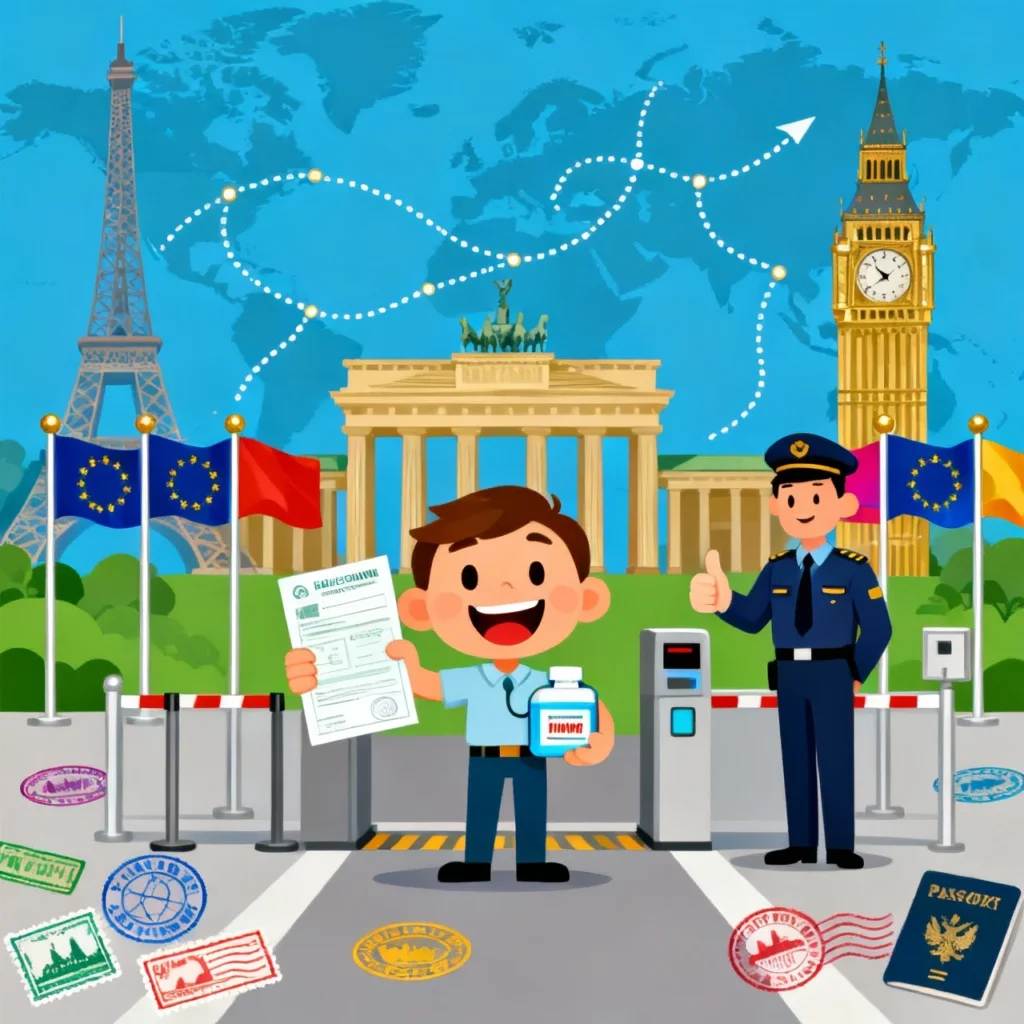
Navigating EU borders with medical marijuana feels like diplomatic chess. Each country plays by different rules. Understanding these frameworks helps patients travel safely and legally across European borders.
1. Legal Landscape: Understanding EU Cannabis Regulations
The Patchwork of European Cannabis Laws
Europe’s cannabis laws resemble a complex jigsaw puzzle. Each piece represents different national approaches to medical marijuana. Some countries embrace progressive policies while others maintain strict prohibition.
Germany leads the charge with comprehensive medical cannabis programs. Patients receive prescriptions from licensed doctors for various conditions. The system operates through regulated pharmacies and approved cultivation facilities.
Netherlands maintains its famous tolerance policy for recreational use. However, medical cannabis follows strict pharmaceutical guidelines. Patients need official prescriptions and must purchase from designated outlets.
Portugal decriminalized all drugs in 2001, creating unique legal frameworks. Medical cannabis operates under controlled substance regulations. Patients access treatments through specialized medical programs and licensed facilities.
France recently legalized medical cannabis trials for specific conditions. The program remains highly restrictive with limited patient access. Only certain hospitals and doctors can prescribe these treatments.
Prescription Portability Across Borders
Medical prescriptions don’t automatically transfer between EU member states. Each country maintains sovereign control over pharmaceutical regulations. This creates significant challenges for traveling patients with legitimate needs.
The European Medicines Agency provides some coordination between national authorities. However, cannabis remains outside standard pharmaceutical harmonization efforts. Patients must navigate individual country requirements and restrictions.
Some bilateral agreements exist between neighboring countries for prescription recognition. These arrangements typically cover traditional pharmaceuticals, not cannabis products. Medical marijuana patients face additional bureaucratic hurdles and legal uncertainties.
Cross-border medical tourism has emerged as patients seek treatments. Countries with liberal policies attract visitors from restrictive nations. This creates informal networks and underground referral systems.
Enforcement Variations and Border Controls
Border enforcement varies dramatically between EU member states. Some countries focus on trafficking while others prosecute personal possession. Understanding these differences prevents costly legal mistakes and complications.
Schengen Area agreements eliminated many internal border checks. However, customs authorities retain rights to search and inspect. Medical cannabis patients risk confiscation even with valid prescriptions.
Airport security presents particular challenges for medical marijuana patients. TSA-equivalent agencies follow national laws, not international agreements. Patients must research specific airport and airline policies.
Train and car travel offer more predictable enforcement patterns. Border guards typically focus on large-scale trafficking operations. Personal medical amounts rarely trigger intensive investigations or prosecutions.
2. Patient Rights: Navigating Medical Necessity Defenses
Documentation Requirements for Medical Travelers
Proper documentation serves as your legal lifeline when crossing borders. Medical records, prescriptions, and doctor letters create essential paper trails. These documents must meet specific formatting and authentication requirements.
Original prescriptions should include doctor contact information and licensing numbers. Translation into local languages prevents misunderstandings with authorities. Notarized copies provide additional legal protection and credibility.
Medical condition documentation supports necessity claims during legal challenges. Specialist reports and treatment histories strengthen patient positions. Hospital records and diagnostic tests provide objective medical evidence.
Quantity limitations must align with reasonable personal use standards. Excessive amounts trigger trafficking suspicions regardless of medical needs. Patients should carry only necessary supplies for trip duration.
Emergency Medical Access Protocols
Medical emergencies abroad require immediate access to cannabis treatments. Emergency protocols vary significantly between EU member states. Patients must understand local emergency medical systems and procedures.
Hospital emergency departments rarely stock medical cannabis products. Patients should identify alternative sources before traveling to destinations. Local patient advocacy groups often provide emergency assistance networks.
Embassy and consulate services offer limited help with medical issues. They cannot override local laws or provide legal immunity. However, they can connect patients with local medical resources.
Travel insurance typically excludes cannabis-related medical expenses and complications. Patients need specialized coverage or self-insurance for potential costs. Legal defense insurance becomes particularly valuable for medical travelers.
Legal Defense Strategies and Frameworks
Medical necessity defenses require careful legal preparation and documentation. Patients must prove legitimate medical needs and proper authorization. These defenses work better in some jurisdictions than others.
Constitutional rights arguments focus on fundamental healthcare access principles. European human rights frameworks support medical treatment access. However, these arguments rarely override national drug laws.
Humanitarian considerations influence prosecutorial discretion in many cases. Judges often show leniency toward genuine medical patients. Public sympathy generally supports medical over recreational cannabis use.
Legal representation becomes crucial when facing cannabis-related charges abroad. Local attorneys understand jurisdictional nuances and defense strategies. International legal networks can provide referrals and coordination.
3. Practical Strategies: Safe Travel Protocols
Pre-Travel Research and Planning
Successful medical cannabis travel begins months before departure dates. Research destination laws, enforcement patterns, and medical infrastructure. Contact local patient advocacy groups for current information.
Embassy websites provide official legal information and travel advisories. However, this information often lacks cannabis-specific details and nuances. Patient forums and social media groups offer practical insights.
Medical tourism companies specialize in cannabis-friendly travel arrangements. These services handle legal research, documentation, and local connections. Professional guidance reduces risks and improves travel experiences.
Backup treatment plans become essential when cannabis access fails. Alternative medications and therapies provide safety nets during emergencies. Doctors should approve substitute treatments before international travel.
Transportation Methods and Risk Assessment
Different transportation modes present varying risk levels for patients. Air travel involves multiple security checkpoints and jurisdictional changes. Ground transportation offers more control but longer exposure times.
Private vehicles allow discrete transportation of medical cannabis supplies. However, border crossings still require proper documentation and compliance. Vehicle searches can occur at any international crossing point.
Public transportation reduces personal liability but limits control options. Trains and buses follow standard security protocols and procedures. Passengers cannot easily dispose of materials during inspections.
Shipping medical cannabis ahead creates additional legal complications and risks. Postal services follow strict international drug trafficking laws. Packages face inspection and potential criminal investigation procedures.
Communication Strategies with Authorities
Honest communication with authorities often produces better outcomes than deception. Medical patients receive more sympathetic treatment than recreational users. Transparency demonstrates good faith and legitimate medical needs.
Language barriers complicate interactions with foreign law enforcement officials. Translation apps and services help bridge communication gaps effectively. Written translations of key medical terms prevent misunderstandings.
Calm, respectful behavior influences authority responses during cannabis encounters. Aggressive or defensive attitudes escalate situations unnecessarily and dangerously. Cooperation demonstrates respect for local laws and customs.
Legal rights vary significantly between EU member states and jurisdictions. Patients should understand local procedures for arrests and detentions. Embassy contact information should be readily available during travel.
4. Future Outlook: Emerging Trends and Opportunities
Harmonization Efforts and Policy Convergence
European cannabis policy shows signs of gradual convergence toward liberalization. Medical programs expand while recreational attitudes soften across regions. This trend creates opportunities for improved patient mobility.
The European Parliament increasingly supports medical cannabis research and access. Recent resolutions encourage member states to develop comprehensive programs. Political momentum builds toward EU-wide medical cannabis frameworks.
Industry lobbying efforts push for standardized regulations and procedures. Pharmaceutical companies invest heavily in European cannabis market development. Commercial interests align with patient advocacy for regulatory reform.
International trade agreements may eventually include cannabis provisions and protections. WTO frameworks could support medical cannabis as legitimate commerce. These developments would revolutionize patient travel and access.
Technology Solutions for Patient Mobility
Digital health passports could streamline medical cannabis travel documentation. Blockchain technology offers secure, verifiable prescription and medical records. These innovations reduce paperwork and improve border processing efficiency.
Mobile applications help patients navigate complex international cannabis regulations. Real-time legal updates and location-based guidance improve travel safety. GPS integration provides jurisdiction-specific warnings and recommendations.
Telemedicine consultations enable continued medical supervision during international travel. Doctors can adjust treatments and provide emergency guidance remotely. This technology bridges gaps in local medical cannabis expertise.
Cryptocurrency payments may facilitate international medical cannabis transactions safely. Digital currencies bypass traditional banking restrictions and international complications. Privacy features protect patient identities and medical information.
Market Development and Commercial Opportunities
European medical cannabis markets show explosive growth potential and investment. Standardized products and quality controls improve patient confidence significantly. Commercial development drives political support for regulatory reform.
Cross-border medical tourism creates new business models and opportunities. Specialized travel agencies, insurance products, and concierge services emerge. These developments make international medical cannabis travel more accessible.
Pharmaceutical integration brings medical cannabis into mainstream healthcare systems. Traditional drug companies develop standardized cannabis medications and treatments. This legitimization improves political and social acceptance dramatically.
Research collaborations between EU institutions advance medical cannabis science. Clinical trials and studies provide evidence for policy reform. Scientific validation supports patient advocacy and political lobbying efforts.
This comprehensive guide provides essential information for medical cannabis patients traveling within the European Union. Always consult current legal resources and medical professionals before international travel with cannabis products.


 English
  Spanish