
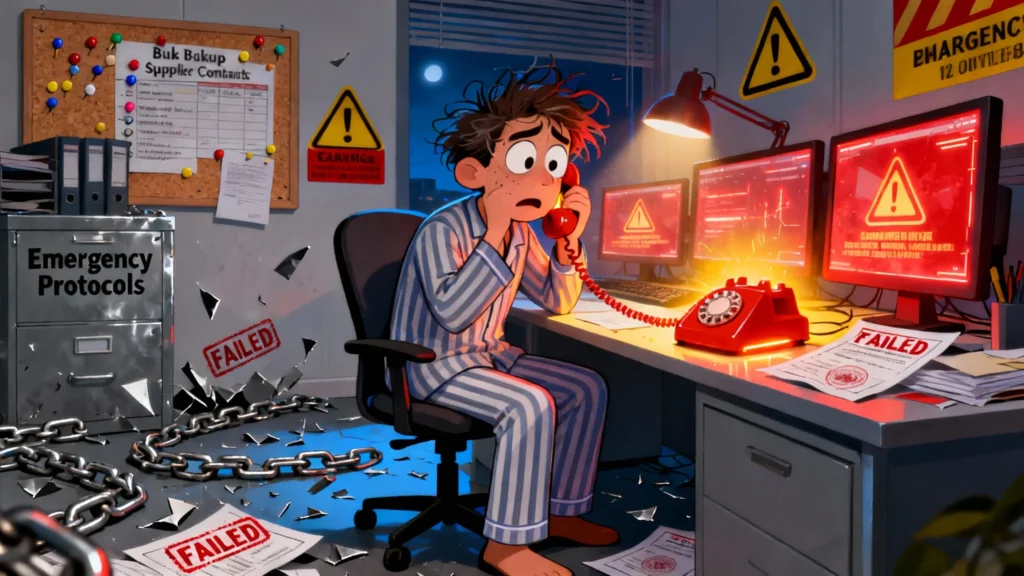
It’s 2 AM and you just got the call. Your primary cannabis supplier has failed their EU-GMP audit. Your entire production schedule is now in jeopardy.
The voice on the other end is apologetic but firm. «We need to halt all shipments immediately.» Your heart sinks as you realize thousands of patients depend on your products.
This nightmare scenario plays out more often than you’d think in the cannabis industry. Supply chain disruptions can devastate businesses overnight. But with the right strategies, you can protect yourself from these costly failures.
1. The Anatomy of a Supply Chain Disaster
When Good Suppliers Go Bad
Sarah’s company had worked with their cannabis supplier for three years without issues. The relationship seemed rock-solid, with consistent quality and timely deliveries. Then came the devastating phone call that changed everything.
The supplier had cut corners during their latest expansion. New facilities weren’t properly validated according to EU-GMP standards. Contamination issues emerged during routine testing, triggering an immediate regulatory investigation.
Within 48 hours, the supplier’s license was suspended. All pending orders were cancelled without warning. Sarah’s company faced a complete production shutdown with no backup plan in place.
The financial impact was immediate and severe. Lost revenue, cancelled customer orders, and emergency sourcing costs mounted quickly. The company’s reputation suffered as they struggled to explain delays to frustrated clients.
This scenario highlights how quickly trusted partnerships can crumble. Even established suppliers can face unexpected compliance failures. The cannabis industry’s strict regulations make these situations particularly devastating for downstream businesses.
Red Flags You Can’t Ignore
Smart cannabis businesses learn to spot warning signs before disasters strike. Declining communication quality often signals internal problems at supplier facilities. When your usual contacts become harder to reach, investigate immediately.
Quality inconsistencies are another major red flag to monitor closely. Batch-to-batch variations in potency or appearance suggest process control issues. These problems often precede more serious compliance failures.
Financial stress at supplier companies creates dangerous shortcuts. Late payments to their vendors, staff turnover, or delayed facility maintenance indicate trouble. Suppliers under financial pressure may compromise on quality to cut costs.
Regulatory warning letters or inspection findings should trigger immediate concern. Even minor violations can escalate quickly in the cannabis industry. Monitor your suppliers’ compliance status through public databases and industry networks.
Changes in ownership or management structure deserve extra scrutiny. New leadership may not understand the complexities of EU-GMP compliance. They might implement cost-cutting measures that compromise quality standards.
The Domino Effect of Supply Failures
When a major cannabis supplier fails, the entire industry feels the impact. Remaining suppliers suddenly face overwhelming demand from displaced customers. Prices spike as desperate buyers compete for limited inventory.
Quality standards may slip as suppliers rush to meet increased demand. Facilities operating at maximum capacity struggle to maintain strict protocols. This creates a cycle where more suppliers risk compliance failures.
Smaller cannabis companies suffer disproportionately during these disruptions. They lack the negotiating power to secure emergency supplies quickly. Many are forced to halt production entirely until markets stabilize.
The regulatory environment becomes more stringent following major supplier failures. Authorities increase inspection frequency and scrutinize compliance more closely. This creates additional pressure on an already stressed supply chain.
Patient access to critical cannabis medicines becomes compromised during these crises. Pharmacies struggle to maintain adequate inventory levels for their customers. Some patients may be forced to switch products or go without treatment.
Recovery from major supply chain disruptions can take months or years. Trust between buyers and suppliers erodes, leading to more conservative purchasing strategies. The entire industry becomes more risk-averse, potentially stifling innovation and growth.
2. Identifying Critical Warning Signs Before It’s Too Late
Financial Health Indicators
Your supplier’s financial stability directly impacts their ability to maintain EU-GMP compliance. Companies struggling with cash flow often defer critical maintenance and quality investments. Monitor payment terms and look for requests to extend credit periods.
Credit reports and financial statements reveal important trends in supplier health. Declining revenues, increasing debt loads, or shrinking profit margins signal potential trouble. Request annual financial disclosures as part of your supplier qualification process.
Facility investments provide insight into long-term supplier commitment to quality. Companies that consistently upgrade equipment and infrastructure demonstrate financial strength. Those deferring maintenance or expansion may be experiencing cash flow problems.
Staff retention rates often reflect underlying financial stress at supplier facilities. High turnover in quality assurance or production roles creates compliance risks. Experienced personnel are essential for maintaining EU-GMP standards consistently.
Insurance coverage and bonding capacity indicate supplier financial responsibility. Companies with adequate coverage can weather unexpected compliance issues better. Those with minimal insurance may lack resources to address serious problems.
Vendor payment patterns reveal cash flow challenges before they become critical. Suppliers who delay payments to their own vendors may soon struggle. This creates a cascade effect that ultimately impacts product quality and delivery.
Operational Red Flags
Production capacity utilization rates affect quality control capabilities significantly. Suppliers operating above 85% capacity often struggle with compliance. Rushed production schedules increase the likelihood of errors and shortcuts.
Equipment maintenance schedules provide insight into operational discipline and planning. Well-maintained facilities follow predictable maintenance cycles with minimal unplanned downtime. Frequent emergency repairs suggest poor planning or financial constraints.
Documentation quality reflects overall operational maturity and compliance commitment. Incomplete batch records, missing test results, or delayed certifications indicate problems. These issues often precede more serious EU-GMP violations.
Supply chain transparency helps identify potential upstream contamination sources. Suppliers who can’t trace raw materials back to their origins pose risks. This lack of visibility makes it difficult to respond to quality issues.
Regulatory inspection history provides valuable insight into compliance culture and capabilities. Frequent violations or slow corrective action responses indicate systemic problems. Even minor issues can escalate quickly without proper attention.
Communication responsiveness often deteriorates before major operational failures occur. Delayed responses to inquiries or incomplete information sharing signal internal problems. Maintain regular contact to monitor communication quality trends.
Quality System Breakdowns
Certificate of analysis consistency reveals important trends in quality control effectiveness. Increasing variability in test results suggests process control problems. These issues often precede more serious compliance failures.
Deviation investigation thoroughness indicates quality system maturity and regulatory compliance commitment. Superficial investigations or delayed corrective actions create ongoing risks. Robust investigation processes prevent minor issues from becoming major problems.
Change control implementation affects product consistency and regulatory compliance significantly. Poorly managed changes can introduce contamination or quality issues. Suppliers should document and validate all significant process modifications.
Training program effectiveness impacts overall quality system performance and employee competence. Inadequate training leads to procedural errors and compliance violations. Regular training updates ensure staff understand current requirements.
Audit findings trends provide early warning of deteriorating quality systems. Increasing numbers of observations or repeated findings indicate problems. Effective suppliers address audit findings promptly and implement lasting corrections.
Customer complaint handling reveals quality system responsiveness and improvement commitment. Delayed responses or inadequate investigations suggest systemic problems. Quality-focused suppliers treat complaints as improvement opportunities.
3. Building an Unbreakable Backup Supplier Network
Diversification Strategies That Work
Never put all your eggs in one basket when sourcing cannabis products. Successful companies maintain relationships with at least three qualified suppliers per product category. This approach provides flexibility when primary suppliers face unexpected challenges.
Geographic diversification reduces risk from regional regulatory changes or natural disasters. Suppliers in different countries operate under varying regulatory frameworks. This diversity provides options when specific markets experience disruptions.
Scale diversification balances reliability with innovation in your supplier portfolio. Large suppliers offer stability and capacity but may lack flexibility. Smaller suppliers provide innovation and personalized service but carry higher risk.
Product specialization creates opportunities for strategic partnerships with niche suppliers. Some suppliers excel at specific product types or extraction methods. Building relationships with specialists provides access to unique capabilities.
Vertical integration opportunities allow greater control over critical supply chain elements. Consider investing in key suppliers or developing internal capabilities. This strategy reduces dependence on external partners for critical materials.
Contract structure diversification spreads risk across different commercial arrangements. Mix long-term contracts with spot purchases and flexible agreements. This approach provides stability while maintaining sourcing flexibility.
Qualification and Onboarding Best Practices
Comprehensive supplier audits form the foundation of effective qualification programs. On-site inspections reveal operational realities that documentation cannot capture. Spend time observing actual production processes and quality control procedures.
Reference checks with existing customers provide valuable insight into supplier performance. Ask specific questions about quality consistency, delivery reliability, and problem resolution. Former customers may share particularly honest feedback about supplier capabilities.
Pilot programs allow low-risk evaluation of new supplier capabilities and reliability. Start with small orders to test quality, delivery, and communication. Gradually increase volumes as confidence in the supplier grows.
Documentation review ensures suppliers meet all regulatory and quality requirements. Verify licenses, certifications, and compliance records thoroughly before qualification. Maintain updated files for all qualified suppliers.
Financial due diligence protects against supplier failures that could disrupt operations. Review credit reports, financial statements, and insurance coverage regularly. Establish minimum financial stability requirements for all suppliers.
Performance metrics establish clear expectations and measurement criteria for supplier relationships. Define key performance indicators for quality, delivery, and communication. Regular performance reviews identify issues before they become problems.
Relationship Management Excellence
Regular communication maintains strong relationships and provides early warning of potential issues. Schedule monthly calls with key suppliers to discuss performance and upcoming challenges. Open communication channels prevent small problems from becoming major crises.
Joint planning sessions align supplier capabilities with your business requirements effectively. Share forecasts and discuss capacity constraints or expansion plans. Collaborative planning improves service levels and reduces supply risks.
Performance feedback helps suppliers understand your expectations and improve their service. Provide specific, actionable feedback on both positive performance and areas for improvement. Recognition programs motivate suppliers to maintain high standards.
Problem resolution protocols ensure quick response to quality or delivery issues. Establish clear escalation procedures and response time expectations. Effective problem resolution strengthens supplier relationships and prevents recurring issues.
Innovation partnerships create competitive advantages through supplier collaboration and shared development. Work with suppliers to develop new products or improve existing processes. These partnerships often result in exclusive access to innovative solutions.
Contract management ensures agreements remain current and reflect changing business needs. Review contracts annually and update terms as necessary. Well-structured contracts protect both parties and facilitate smooth operations.
4. Crisis Management and Recovery Protocols
Emergency Response Planning
Crisis communication plans ensure all stakeholders receive timely, accurate information during supply disruptions. Develop template communications for customers, regulators, and internal teams. Pre-approved messages reduce response time and ensure consistent messaging.
Inventory management protocols help maximize available stock during supply shortages. Implement allocation systems that prioritize critical customers and products. Clear allocation criteria prevent conflicts and maintain customer relationships.
Alternative sourcing procedures enable rapid supplier substitution when primary sources fail. Maintain updated lists of pre-qualified backup suppliers with current contact information. Emergency procurement procedures should bypass normal approval processes when necessary.
Regulatory notification requirements vary by jurisdiction and situation type significantly. Understand when and how to notify relevant authorities about supply disruptions. Proactive communication with regulators demonstrates responsibility and may prevent penalties.
Customer communication strategies maintain trust and transparency during difficult periods. Provide regular updates on resolution efforts and expected timelines. Honest communication about challenges builds long-term customer loyalty.
Legal protection measures safeguard your company’s interests during supplier failures. Review force majeure clauses and supplier liability provisions in contracts. Consult legal counsel early to understand options and obligations.
Damage Control Techniques
Quality assurance protocols prevent compromised products from reaching customers during crisis periods. Implement additional testing and inspection procedures for emergency suppliers. Never compromise quality standards even under extreme pressure.
Financial impact mitigation reduces the cost of supply chain disruptions significantly. Negotiate payment terms with emergency suppliers and consider supply chain insurance. Quick action can minimize financial damage from unexpected disruptions.
Reputation management protects your brand during supply chain crises and recovery periods. Monitor social media and industry publications for mentions of your company. Respond quickly to misinformation and maintain transparent communication.
Stakeholder management ensures all parties understand the situation and your response efforts. Keep investors, partners, and key customers informed throughout the crisis. Regular updates demonstrate competent crisis management and maintain confidence.
Operational continuity planning maintains essential business functions during supply disruptions. Identify critical processes that must continue and allocate resources accordingly. Temporary workarounds may be necessary to maintain operations.
Documentation requirements ensure proper records for insurance claims and regulatory compliance. Maintain detailed records of all crisis-related decisions and communications. Proper documentation supports recovery efforts and prevents future issues.
Long-term Recovery Strategies
Supply chain redesign opportunities emerge from crisis experiences and lessons learned. Analyze what went wrong and implement structural improvements to prevent recurrence. Crisis often reveals weaknesses that weren’t apparent during normal operations.
Relationship rebuilding efforts restore confidence with customers and partners affected by disruptions. Acknowledge mistakes honestly and demonstrate concrete improvements to prevent future problems. Consistent performance over time rebuilds damaged trust.
Process improvement initiatives strengthen operations and reduce future vulnerability to disruptions. Implement lessons learned from the crisis into standard operating procedures. Regular drills and simulations help maintain crisis readiness.
Technology investments can improve supply chain visibility and early warning capabilities. Consider systems that provide real-time supplier performance monitoring and risk assessment. Technology solutions often pay for themselves through prevented disruptions.
Insurance evaluation ensures adequate coverage for future supply chain risks and disruptions. Review policies after experiencing a crisis to identify coverage gaps. Supply chain insurance may be cost-effective for companies with complex supplier networks.
Competitive advantage development turns crisis experience into strategic benefits for future growth. Companies that handle crises well often gain market share from competitors. Use your crisis management experience as a differentiator in customer relationships.
What’s your worst supply chain nightmare story? Share your experiences in the comments below – your story might help another cannabis professional avoid a similar disaster. Have you implemented any of these backup strategies? What worked best for your business?
Remember: In the cannabis industry, your supply chain is only as strong as your weakest link. Don’t wait for a 2 AM phone call to start building your backup network.
 English
  Spanish