
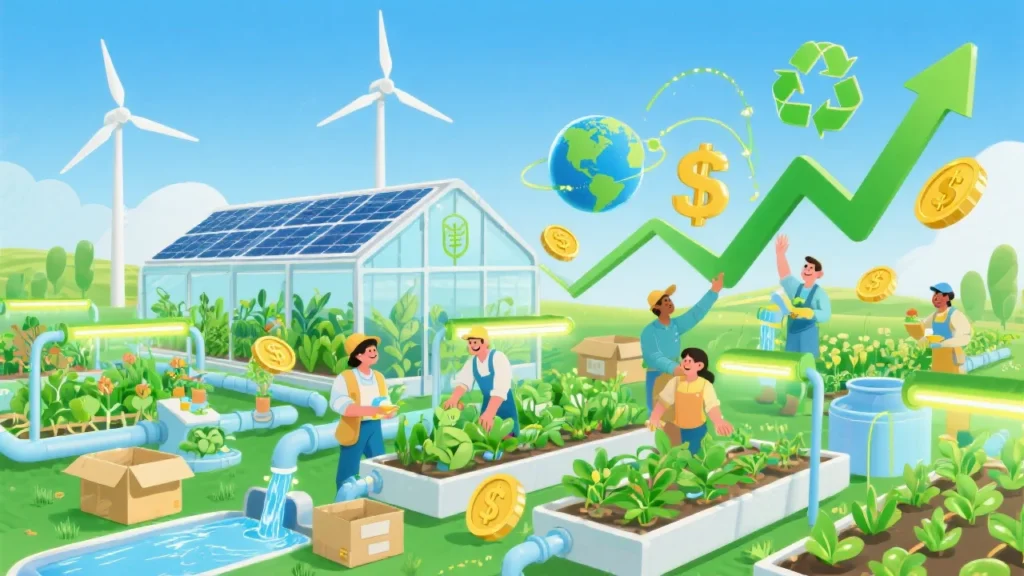
Why going green in the green industry isn’t just good karma – it’s good business
Hey there, cannabis enthusiasts and business minds! Let’s talk about something that’s blazing hot right now: sustainable cannabis. And no, we’re not just talking about being environmentally friendly (though that’s awesome too). We’re diving into why sustainability in cannabis is literally a goldmine waiting to be tapped.
The cannabis industry is booming faster than a perfectly cured bud. But here’s the kicker – the most successful players aren’t just growing great weed. They’re growing it responsibly, profitably, and with an eye toward the future. Ready to explore why sustainability isn’t just trendy but totally essential? Let’s roll!
1. The Green Rush Meets Green Business: Economic Benefits of Sustainable Cannabis Operations
Cost Reduction Through Efficient Resource Management
Picture this: you’re running a cannabis operation that’s hemorrhaging money on utilities. Sound familiar? Sustainable practices are like having a financial advisor who actually knows what they’re talking about. Energy-efficient LED lighting can slash electricity bills by up to 60% compared to traditional systems.
Water recycling systems aren’t just environmentally conscious – they’re wallet-conscious too. Smart irrigation reduces water usage by 40% while maintaining optimal growing conditions. That’s serious cash staying in your pocket instead of going down the drain.
Waste reduction programs turn yesterday’s trim into tomorrow’s profit through composting and recycling initiatives. Many growers discover that sustainable waste management actually generates revenue streams they never considered. It’s like finding money in your old jeans, but way more consistent.
Automated climate control systems optimize growing conditions while minimizing energy consumption throughout cultivation cycles. These systems pay for themselves within months through reduced operational costs. Smart technology isn’t just cool – it’s cost-effective in ways that’ll make your accountant smile.
Premium Market Positioning and Consumer Demand
Today’s cannabis consumers aren’t just looking for quality – they’re seeking brands that align with their values. Sustainable cannabis commands premium prices because conscious consumers willingly pay more for responsibly produced products. This isn’t a trend; it’s a fundamental shift in consumer behavior.
Millennials and Gen Z represent the largest cannabis consumer demographics, and they prioritize sustainability above almost everything else. These generations research brands extensively and choose companies that demonstrate genuine environmental commitment. Their purchasing power is reshaping entire industries, including cannabis.
Sustainable branding creates emotional connections that transcend typical product-customer relationships in competitive markets. Customers become brand ambassadors when they believe in your mission beyond just profit margins. This organic marketing is invaluable and costs significantly less than traditional advertising approaches.
Certification programs like Clean Green Certified provide third-party validation that consumers trust and seek out actively. These certifications often justify 20-30% price premiums in retail environments. The investment in certification pays dividends through increased market share and customer loyalty.
Long-term Financial Stability and Risk Mitigation
Sustainable operations create predictable cost structures that traditional growing methods simply cannot match effectively. Energy-efficient systems reduce vulnerability to utility rate fluctuations that can devastate profit margins overnight. Stability in operational costs translates directly to more predictable revenue forecasting and business planning.
Climate change poses real risks to outdoor cultivation, but sustainable practices build resilience against environmental challenges. Drought-resistant growing techniques and renewable energy systems protect against weather-related disruptions and resource scarcity. Future-proofing your operation isn’t paranoia – it’s smart business strategy.
Insurance companies increasingly offer better rates to businesses demonstrating strong environmental, social, and governance practices. Sustainable cannabis operations often qualify for reduced premiums and better coverage terms. Risk mitigation through sustainability creates compound savings that accumulate significantly over time.
Investment capital flows increasingly toward sustainable businesses as ESG criteria become standard in funding decisions. Venture capitalists and private equity firms prioritize companies with strong sustainability profiles. Access to capital at favorable terms can make or break expansion plans.
2. Environmental Impact: How Sustainable Practices Drive Innovation and Efficiency
Carbon Footprint Reduction and Climate Solutions
Cannabis cultivation traditionally consumes massive amounts of energy, but innovative growers are flipping this narrative completely. Solar panels and wind energy systems are transforming grows into carbon-neutral or even carbon-negative operations. Some facilities generate more clean energy than they consume, selling excess back to grids.
Indoor cultivation accounts for roughly 1% of total US electricity consumption – that’s absolutely staggering for any industry. LED technology combined with smart environmental controls reduces energy consumption by 75% compared to traditional methods. These aren’t just incremental improvements; they’re revolutionary changes in how we approach cultivation.
Carbon sequestration through regenerative soil practices turns cannabis farms into environmental heroes rather than villains. Healthy soil systems capture atmospheric carbon while producing superior cannabis with enhanced terpene profiles. It’s environmental restoration that actually improves product quality – a true win-win scenario.
Renewable energy adoption in cannabis is accelerating faster than in most other agricultural sectors nationwide. Forward-thinking operators recognize that energy independence provides competitive advantages beyond just environmental benefits. Clean energy systems offer predictable costs and protection against utility rate increases.
Water Conservation and Waste Management Innovation
Water scarcity affects cannabis-growing regions worldwide, making conservation absolutely critical for long-term industry viability. Hydroponic and aeroponic systems use 90% less water than traditional soil cultivation methods. These systems recycle nutrients and water continuously, eliminating waste while optimizing plant health.
Greywater recycling systems capture and purify water from sinks, showers, and other sources for irrigation purposes. This technology reduces freshwater consumption while maintaining strict quality standards for plant health. Many operations achieve complete water self-sufficiency through comprehensive recycling programs.
Organic waste from cannabis operations creates valuable compost that enriches soil and reduces landfill contributions. Composting programs turn waste streams into revenue streams while supporting local agricultural communities. Some facilities sell premium compost to other growers, creating circular economy benefits.
Packaging innovation focuses on biodegradable and recyclable materials that maintain product freshness and regulatory compliance. Sustainable packaging appeals to environmentally conscious consumers while reducing long-term disposal costs. Creative packaging solutions often become marketing differentiators that enhance brand recognition.
Biodiversity and Ecosystem Integration
Sustainable cannabis farms integrate with local ecosystems rather than disrupting them through thoughtful planning and design. Companion planting with native species creates beneficial insect habitats that provide natural pest control. These polyculture systems reduce pesticide needs while supporting local wildlife populations.
Pollinator gardens surrounding cannabis facilities support bee populations that are crucial for regional agricultural health. These gardens require minimal maintenance while providing significant environmental benefits to surrounding communities. Many operations partner with local beekeepers to create mutually beneficial relationships.
Soil health improvement through cover crops and organic amendments creates lasting environmental benefits beyond individual growing seasons. Healthy soil systems support diverse microbial communities that enhance plant health naturally. These practices build soil carbon while reducing synthetic fertilizer requirements.
Wildlife corridors and habitat restoration projects demonstrate cannabis industry leadership in environmental stewardship initiatives. These programs often qualify for tax incentives and grants while generating positive community relations. Environmental leadership creates goodwill that translates into business advantages.
3. Policy Landscape: Regulatory Incentives and Compliance Advantages
Tax Benefits and Government Incentives
Federal and state governments increasingly offer substantial tax credits for renewable energy installations in cannabis operations. Solar tax credits can offset 30% of installation costs, making clean energy adoption financially attractive. These incentives often provide better returns than traditional business investments.
Energy efficiency rebates from utility companies help offset costs of LED lighting and climate control upgrades. Many utilities offer free energy audits and equipment subsidies for qualifying cannabis businesses. These programs reduce upfront costs while providing ongoing operational savings.
Sustainable agriculture grants support research and development of environmentally friendly cultivation techniques in cannabis. Government funding helps offset innovation costs while advancing industry-wide sustainability practices. Grant programs often provide non-dilutive funding that doesn’t require equity sacrifices.
Property tax reductions for LEED-certified buildings and renewable energy systems create ongoing operational savings. Green building certifications often qualify for reduced assessment values and tax rates. These savings compound annually, providing significant long-term financial benefits.
Regulatory Compliance and Future-Proofing
Environmental regulations in cannabis are tightening rapidly as the industry matures and gains mainstream acceptance. Proactive sustainability measures ensure compliance with emerging regulations before they become mandatory requirements. Early adoption provides competitive advantages and avoids costly retrofitting later.
Water usage restrictions increasingly affect cannabis operations in drought-prone regions throughout the United States. Efficient irrigation systems and water recycling programs ensure continued operations despite regulatory limitations. Compliance becomes easier when sustainable practices are already integrated into operations.
Waste disposal regulations require sophisticated tracking and management systems that sustainable operations already implement. Comprehensive waste management programs exceed regulatory requirements while reducing disposal costs significantly. Regulatory compliance becomes a competitive advantage rather than a burden.
Pesticide restrictions continue expanding as consumer safety concerns grow and scientific understanding advances. Integrated pest management and organic growing methods reduce regulatory risks while appealing to health-conscious consumers. Clean cultivation practices provide insurance against changing regulatory landscapes.
Social License and Community Relations
Community acceptance remains crucial for cannabis business success, and sustainability demonstrates responsible corporate citizenship. Environmental stewardship builds trust with local communities and reduces opposition to expansion plans. Good neighbor policies create supportive environments for business growth.
Local hiring and community investment programs strengthen relationships while supporting regional economic development. Sustainable businesses often become community anchors that generate pride and support among residents. Strong community ties provide protection against regulatory challenges and competitive threats.
Educational partnerships with schools and environmental organizations showcase industry leadership and responsibility. These programs counter negative stereotypes while building future customer and employee bases. Community education creates advocates who support favorable policy development.
Transparency in environmental reporting builds trust with regulators, communities, and consumers simultaneously. Open communication about sustainability efforts demonstrates accountability and commitment to continuous improvement. Transparency becomes a competitive differentiator in increasingly crowded markets.
4. Market Trends and Consumer Behavior: The Demand for Conscious Cannabis
Millennial and Gen Z Consumer Preferences
Younger cannabis consumers research brands extensively before making purchasing decisions, prioritizing companies with strong environmental commitments. Social media amplifies sustainability messaging, making environmental responsibility a crucial marketing differentiator. These demographics represent the industry’s future and current largest consumer segments.
Brand loyalty among younger consumers correlates strongly with perceived authenticity and environmental responsibility in cannabis. Companies that demonstrate genuine commitment to sustainability enjoy higher customer retention rates. Authentic environmental messaging resonates more effectively than traditional marketing approaches.
Price sensitivity decreases when products align with personal values, allowing sustainable brands to command premium pricing. Conscious consumers view higher prices as investments in causes they support rather than costs. This willingness to pay more creates sustainable competitive advantages.
Social sharing of sustainable brands creates organic marketing that traditional advertising cannot replicate effectively. User-generated content featuring sustainable cannabis brands reaches highly engaged audiences authentically. Word-of-mouth marketing from satisfied customers provides invaluable credibility and reach.
Premium Product Positioning and Brand Differentiation
Sustainable cultivation methods often produce superior cannabis with enhanced terpene profiles and cleaner consumption experiences. Living soil and organic growing techniques create products that connoisseurs can distinguish from conventionally grown alternatives. Quality improvements justify premium pricing while supporting sustainability initiatives.
Craft cannabis markets particularly value artisanal production methods that emphasize environmental responsibility and quality. Small-batch, sustainable operations command the highest prices in premium market segments. Sustainability becomes synonymous with quality in consumer perceptions.
Storytelling around sustainable practices creates emotional connections that transcend typical product-customer relationships in competitive markets. Consumers become invested in brand missions and feel good about their purchasing decisions. Emotional connections drive repeat purchases and brand advocacy.
Limited edition products highlighting specific sustainability achievements create urgency and exclusivity among conscious consumers. Special releases celebrating environmental milestones generate excitement while reinforcing brand values. Scarcity marketing works particularly well when tied to meaningful causes.
Market Growth and Investment Trends
ESG investing principles increasingly influence cannabis industry funding decisions as institutional investors enter the market. Sustainable operations attract capital more easily and at better terms than conventional alternatives. Investment trends strongly favor companies with robust environmental, social, and governance practices.
Market research consistently shows growing consumer demand for sustainable cannabis products across all demographic segments. This trend accelerates as environmental awareness increases and climate change impacts become more apparent. Sustainable positioning becomes essential for long-term market relevance.
Retail partnerships favor brands with strong sustainability credentials as dispensaries seek to differentiate themselves. Retailers increasingly curate product selections based on environmental and social responsibility criteria. Shelf space allocation often prioritizes sustainable brands over conventional alternatives.
International market expansion opportunities favor companies with established sustainability practices and certifications. Global cannabis markets increasingly require environmental compliance and social responsibility documentation. Sustainability credentials facilitate international business development and regulatory approval processes.
Ready to join the sustainable cannabis revolution? The future is green in every sense of the word – and the businesses that embrace this reality today will be the industry leaders of tomorrow. Whether you’re a grower, investor, or consumer, sustainability isn’t just the right thing to do – it’s the smart thing to do.
 Spanish
  English